News
-
 September 29, 2026Incentivizing historic preservation on Cape Cod
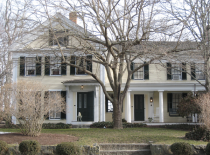
A new model historic preservation incentive bylaw, drafted by Cape Cod Commission staff, aims to help communities preserve historic resources while supporting growth. Instead of relying only on restrictions, the model bylaw offers zoning incentives that make preservation, rehabilitation, and adaptive reuse more practical and attractive alternatives to demolition.
-
 August 31, 2026Planning for a More Resilient Cape Cod
As the impacts of climate change are expected to intensify in the coming years, Cape Cod is working to strengthen its ability to prepare for, withstand, and adapt to changing conditions.
Posted in Newsletter, Climate -
 July 27, 2026Chatham adopts updated floodplain regulations
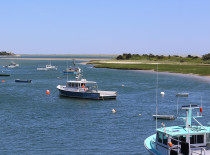
The Chatham Conservation Commission recently adopted updated coastal floodplain regulations developed by the Cape Cod Commission, becoming the first Cape town to do so. These new regulations aim to better prepare communities for the impacts of climate change.
The model regulations, developed in partnership with the Cape Cod Cooperative Extension, Woods Hole Oceanographic Institution Sea Grant, Urban Harbors Institute, and Noble Wickersham and Heart, are based on a suite of tools for coastal floodplain resiliency. They help Cape Cod communities strengthen protections for natural resources and the built environment as flood risks increase.
Posted in Newsletter, Climate -
 June 29, 2026Seasonal Communities model bylaws aim to enhance year-round housing opportunities
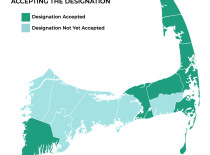
Designated Seasonal Communities that have accepted the designation will need to amend their zoning to expand year-round housing options. New model zoning bylaws are being developed to help towns implement two key housing strategies that are required of Seasonal Communities: allowing tiny houses and enabling attainable housing on undersized lots, both approved “by right” when they meet defined standards, including that the housing units be restricted for year-round occupancy. In zoning terms, “by right” means projects that comply with local requirements can move forward without requiring a discretionary special permit. This helps to reduce uncertainty and streamline the approval process. The zoning bylaws are expected to be available this summer.
Posted in Newsletter, Planning + Community Design -
 June 29, 2026Advancing Economic Development
The recently completed Year 2 Annual Report for the region’s 2024-2029 Comprehensive Economic Development Strategy (CEDS) highlights progress on key initiatives supporting Cape Cod’s economic future and tracks a broad range of economic, housing, workforce, infrastructure, and resilience indicators that help measure progress toward the region’s long-term goals.
Posted in Newsletter, Economic Development -
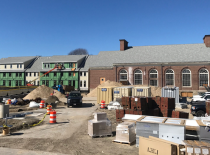 June 29, 2026Encouraging Adaptive Reuse on Cape Cod
On Cape Cod, adaptive reuse can help meet housing needs without consuming more undeveloped land. This approach can support vibrant village centers, preserve historic and culturally significant buildings, and protect the region’s unique resources. By reinvesting in existing places, adaptive reuse enhances economic, environmental, and community resilience while making efficient use of developed land.
A new guidebook now explores how existing buildings across Cape Cod and the Islands can be converted into year-round housing while preserving historic fabric, environmental resources, and community design.
- View All