Category: Planning + Community Design
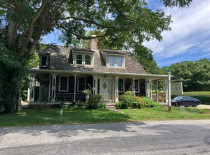
Through the District Local Technical Assistance (DLTA) program, the Cape Cod Commission partnered with the Town to develop a GIS-based inventory that captures the full spectrum of Yarmouth’s cultural resources—including museums, art galleries, historic sites, theaters, scenic vistas, public art, and veterans memorials.
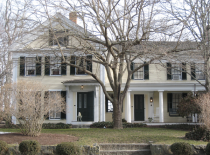
A new model historic preservation incentive bylaw, drafted by Cape Cod Commission staff, aims to help communities preserve historic resources while supporting growth. Instead of relying only on restrictions, the model bylaw offers zoning incentives that make preservation, rehabilitation, and adaptive reuse more practical and attractive alternatives to demolition.
The Cape Cod Commission recently certified Local Comprehensive Plans (LCP) for the towns of Orleans and Harwich, marking an important milestone in each community’s long-term planning efforts.
LCPs establish a shared vision for a community’s future while guiding decisions about housing, infrastructure, natural resource protection, economic development, and growth. The Commission works closely with towns throughout the planning process and certifies plans that are consistent with the Regional Policy Plan and regional planning goals, helping ensure local priorities support the long-term sustainability of Cape Cod.
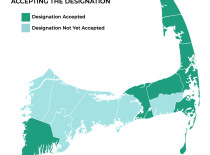
Designated Seasonal Communities that have accepted the designation will need to amend their zoning to expand year-round housing options. New model zoning bylaws are being developed to help towns implement two key housing strategies that are required of Seasonal Communities: allowing tiny houses and enabling attainable housing on undersized lots, both approved “by right” when they meet defined standards, including that the housing units be restricted for year-round occupancy. In zoning terms, “by right” means projects that comply with local requirements can move forward without requiring a discretionary special permit. This helps to reduce uncertainty and streamline the approval process. The zoning bylaws are expected to be available this summer.
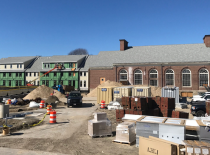
On Cape Cod, adaptive reuse can help meet housing needs without consuming more undeveloped land. This approach can support vibrant village centers, preserve historic and culturally significant buildings, and protect the region’s unique resources. By reinvesting in existing places, adaptive reuse enhances economic, environmental, and community resilience while making efficient use of developed land.
A new guidebook now explores how existing buildings across Cape Cod and the Islands can be converted into year-round housing while preserving historic fabric, environmental resources, and community design.
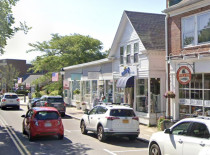
The Cape Cod Commission, funded through the Commonwealth’s District Local Technical Assistance program, worked with the Town of Falmouth to develop draft design guidelines for the Mixed Residential and Commercial Overlay District (MRCOD). The guidelines offer a comprehensive framework to guide future development in one of the town’s most active corridors.
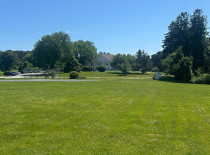
The Cape Cod Commission has begun working with the Town of Brewster and its Land Evaluation Committee to develop criteria for evaluating potential uses of town-owned parcels, from open space to housing.

The Town of Yarmouth recently presented its Local Comprehensive Plan (LCP) to the Cape Cod Commission for certification, outlining a long-term vision to guide growth, protect natural resources, and strengthen the community over the next decade and beyond.

With approximately 86% of Cape Cod’s land area already developed or protected, it is essential for the region to focus growth and development within areas that have adequate infrastructure and away from areas with sensitive resources. To inform future land use and public policy decisions, Cape Cod and its municipalities must understand the economic effects of current development patterns, as well as analyze the fiscal implications of alternative development approaches.
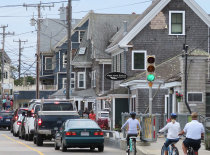
Each year, the Cape Cod Commission receives funding through the Massachusetts Executive Office of Housing and Living Communities to provide technical assistance to towns in our region. The District Local Technical Assistance (DLTA) program helps municipalities with sustainable development and encourages partnerships to achieve planning and development goals that align with state and regional priorities.
Over the years, DLTA funds have supported housing and wastewater initiatives, studies of redevelopment options and economic development strategies, and targeted local planning and zoning efforts. Seven projects received 2026 DLTA funds.