Keyword: water
This Regulatory Update provides a status on projects currently under review by the Cape Cod Commission. Visit www.capecodcommission.org/regulatory for a full overview of our Regulatory program and answers to frequently asked questions.
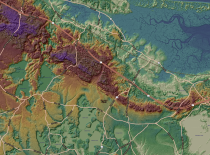
Hundreds of Geographic Information Systems (GIS) professionals gathered in Falmouth this week for the annual New England Arc Users Group fall conference, an event designed to build connections and advance professional growth. The Cape Cod Commission was well represented, with staff showcasing how GIS technology supports planning, environmental stewardship, and storytelling across the region.
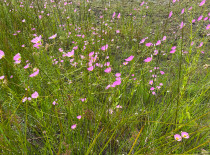
Recognizing the important ecosystem services native plants provide, Commission staff are developing an updated list of native plants for use in local and regional planning. Using the comprehensive plant list featured in the Cape Cod Freshwater Pond Buffer Guidance as its foundation, the updated list will include additional native species and indicate which are suited for upland and coastal environments as well as freshwater pond buffers. Created as part of the Freshwater Initiative, the Pond Buffer Guidance highlights the ecological benefits of native plants and their role in supporting healthy habitats.

Natural systems are central to Cape Cod’s identity and resilience, shaping the region’s environment, economy, and quality of life. A series of lightning talks by Commission staff highlighted efforts to protect ponds, enhance outdoor access, and build resilience in the face of climate stress, sharing practical actions communities and residents can take.
Across multiple sessions, speakers at OneCape 2025 examined Cape Cod’s infrastructure not just as pavement and projects, but as the foundation of daily life, safety, and community character. Together, the discussions highlighted how bridges, streets, transit, preservation, and redevelopment can be designed with people at the center.
Across Cape Cod, leaders are moving from diagnosing the housing crisis to delivering solutions. At OneCape, state officials, local innovators, and community partners highlighted strategies, from adaptive reuse to deed-restricted rentals, that are showing that the Cape can expand year-round housing while preserving its character.
At this year's OneCape Conference, Erin Perry, Deputy Director of the Cape Cod Commission, reflected on the 10-year journey since the adoption of the region's Section 208 Water Quality Management Plan. She reminded the audience that in 2015, wastewater was the central topic of discussion: "Ten years ago at OneCape, all we talked about was wastewater - it was the entire content of the summit."
This Regulatory Update provides a status on projects currently under review by the Cape Cod Commission. Visit www.capecodcommission.org/regulatory for a full overview of our Regulatory program and answers to frequently asked questions.

OneCape 2025 sessions on economy, culture, and placemaking highlighted how fiscal health, vibrant downtowns, and creative communities are inseparable from Cape Cod’s future. Together, they made the case that building resilience isn’t just about housing, water, or climate, it’s also about identity, connection, and the cultural assets that make communities thrive.
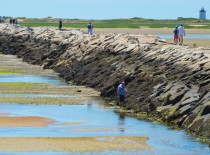
The Cape Cod Commission has extended the comment period for the draft 2025 Regional Policy Plan. The public may submit comments through Wednesday, September 24, 2025.
The Regional Policy Plan (RPP) is the Cape Cod Commission’s blueprint for balancing growth with stewardship of the region’s unique natural and community assets. Required under the Cape Cod Commission Act, the plan outlines a regional vision and growth policy, sets goals and objectives, and provides the framework that guides both local planning efforts and the Commission’s regulatory review.